Leads from messengers in one place
How to bring enquiries from Telegram, WhatsApp and Instagram into one system: why they get lost, your options, official API limits and the link with a CRM.
Published: Updated: 7 min read
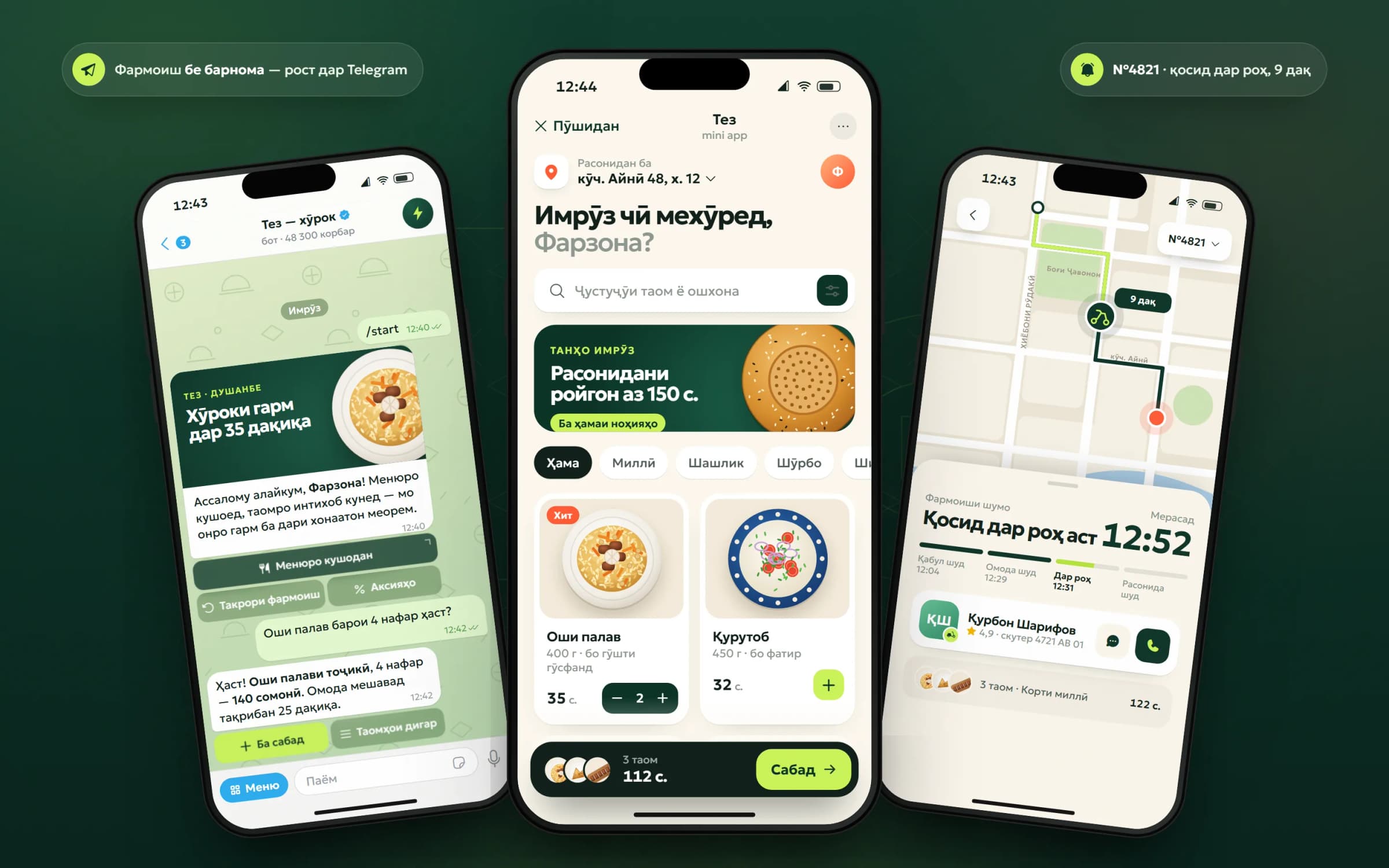
Customers write where it is convenient for them: some in Telegram, some in WhatsApp, some in Instagram direct messages. For a business this turns into three conversations on different phones in different apps. Enquiries are lost not because staff work badly, but because nobody can see the whole picture. Here is how to bring order and what to expect from the technical options.
Why enquiries get lost
The usual causes are almost always organisational:
- No single list. A manager remembers that someone asked for a price "somewhere in a chat".
- No owner. Three people see the message and nobody replies, because each assumes another will.
- Personal phones. The conversation lives on an employee's phone. They go on leave or quit, and the history leaves with them.
- No reminders. A customer got a price and went quiet. A week later nobody remembers to follow up.
- No source. You do not know where the customer came from, so you do not know which channel brings orders.
Before choosing technology, count from your own data: how many enquiries arrived last week and how many got a reply within an hour. That is your starting point.
What "in one place" means
The goal is not to show every chat on one pretty screen. The goal is that every enquiry has a record:
- who it is (name, phone, profile link);
- where they came from (channel, ad, referral);
- what they want;
- what stage they are at;
- who owns it;
- when the next action is due.
That record lives in a CRM. The conversation can stay in the messenger, but the customer record and the task to do live in the system.
Ways to combine channels
1. A shared spreadsheet or simple CRM with manual entry
An employee enters each enquiry by hand. Upside: nothing to build. Downside: it depends on discipline, and on a busy day entries get skipped. Fine as a start when volume is low.
2. A bot as the single entry point
The customer taps a button or link and lands in a bot that collects the details into a request. The request creates a record and notifies the owner automatically. It is reliable because a program collects the data. The limit: you have to bring customers to the bot, and it does not replace free conversation. We covered what a bot can do in "What a Telegram bot can and cannot do for business".
3. Connecting channels to a CRM through official APIs
Incoming messages from messengers land in the CRM and staff reply from there. This is the most convenient option for a team, but it comes with conditions, described below.
4. Ready-made intermediary services
Some services merge messengers into one inbox and connect to a CRM. They save development time, but you pay a subscription and depend on the service's terms. Before choosing, ask which connection method they use for each channel: official or not.
Official APIs and their limits
Do not promise more than the platforms allow, to yourself or to customers.
Telegram. Bots work through the Bot API. A bot cannot message first: the customer must start it or write to it. There is also a business mode: a bot can be connected to a Telegram Business account and then handles incoming messages in the chats the owner gave it access to. The account owner decides which rights the bot gets.
WhatsApp. For business there is the WhatsApp Business Platform (Cloud API). When a customer writes to you, a 24-hour "customer service window" opens, and during it you can reply in free text. After it closes, you can only start a conversation with pre-approved templates, which need approval, and the customer must have opted in. Terms and pricing are set by the platform, so check the current documentation before launch.
Instagram. Business account messages are available through the Instagram Messaging API. You need a business account and an app review by Meta. What you can do depends on the permissions that were approved.
General rule: an official connection is reliable and does not risk a ban, but it needs setup, reviews and compliance with the platform's rules. Unofficial workarounds (for example emulating a personal account) may be faster, but the number or account can be blocked and you lose your conversation history. We do not recommend that route for a working channel.
Availability and terms of individual features for your country and your specific number are best checked at connection time, because platform rules change.
Connecting to the CRM
When a message arrives, the system should do several things without a person:
- find the customer by phone or identifier and avoid creating a duplicate;
- create or update the record and store the source;
- assign an owner by a clear rule (round robin, by language, by service);
- create a task "reply by such and such a time";
- keep the history: what the customer asked, what was answered, how it ended.
For how to choose a CRM and where to start, see "Small business CRM: when to adopt and where to start".
Owner and reminders
Combining channels is technically easier than agreeing on rules. Write them down:
- First reply time. For example, within 15 minutes during working hours. Pick a number you can keep.
- Who replies. One owner per enquiry. If they miss the deadline, the system notifies a manager.
- Statuses. New, in progress, waiting for customer, agreed, declined. No more than six.
- Reason for declining. A required field on closing: too expensive, no reply, chose others, not our profile.
- Follow-up reminder. After a price or quote, always set the date of the next contact.
- Out of hours. An automatic reply with opening hours so the customer is not left in silence.
Launch checklist
- A list of channels customers write to, and of the accounts owned by the company rather than by one employee.
- Record fields and a list of sources defined.
- Distribution rules and reply deadlines set.
- Official API terms checked for your number and account.
- Notifications and reminders configured for owners.
- Customer consent for storing and using their data considered.
- A pilot chosen: one channel and one group of managers for two weeks.
- After two weeks, the numbers compared: enquiries, replies on time, losses.
Where to start
Do not try to connect all three channels at once. Take the busiest one, set up intake and a CRM record there, then add the others. To discuss which option suits your team and what the scope would be, describe at the first meeting where enquiries appear today and who answers them.
<!-- related-links -->