Skip to content

Web application development in Dushanbe and Tajikistan

We develop web applications for businesses in Dushanbe and Tajikistan: client accounts, portals, internal tools and booking. A prototype comes first, so you see the product before development.
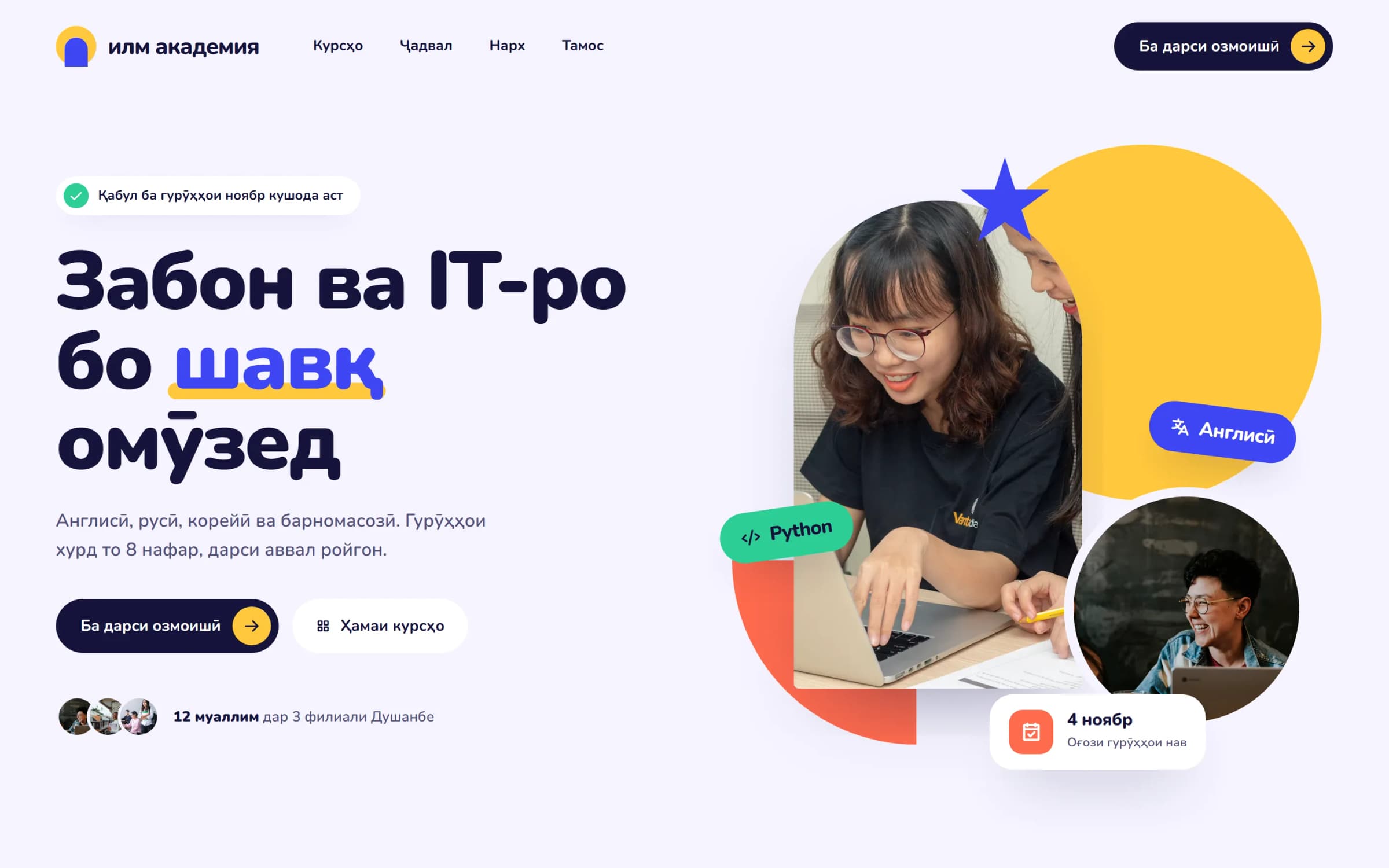
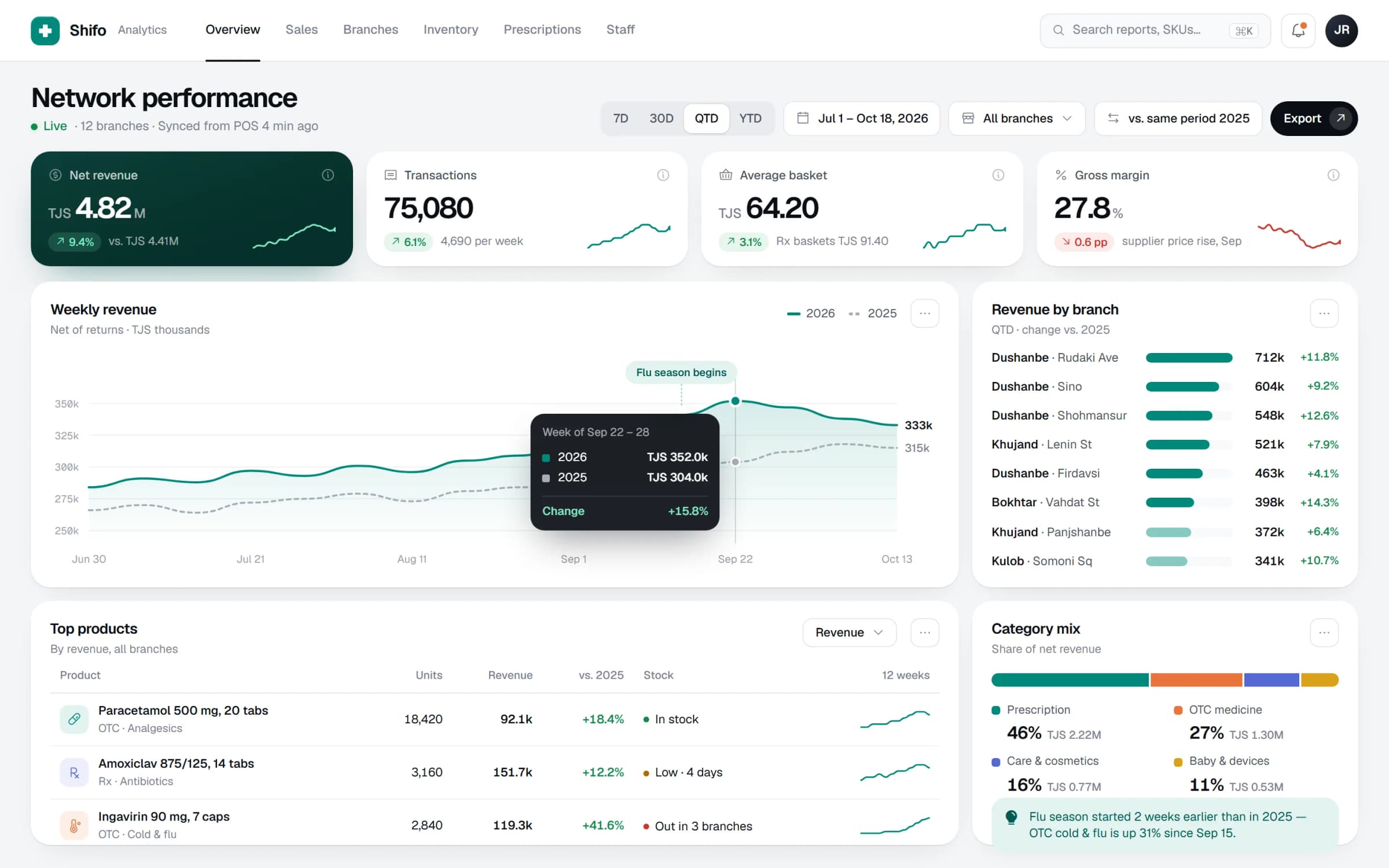
Ilm Academy, education: desktop screen, studio concept
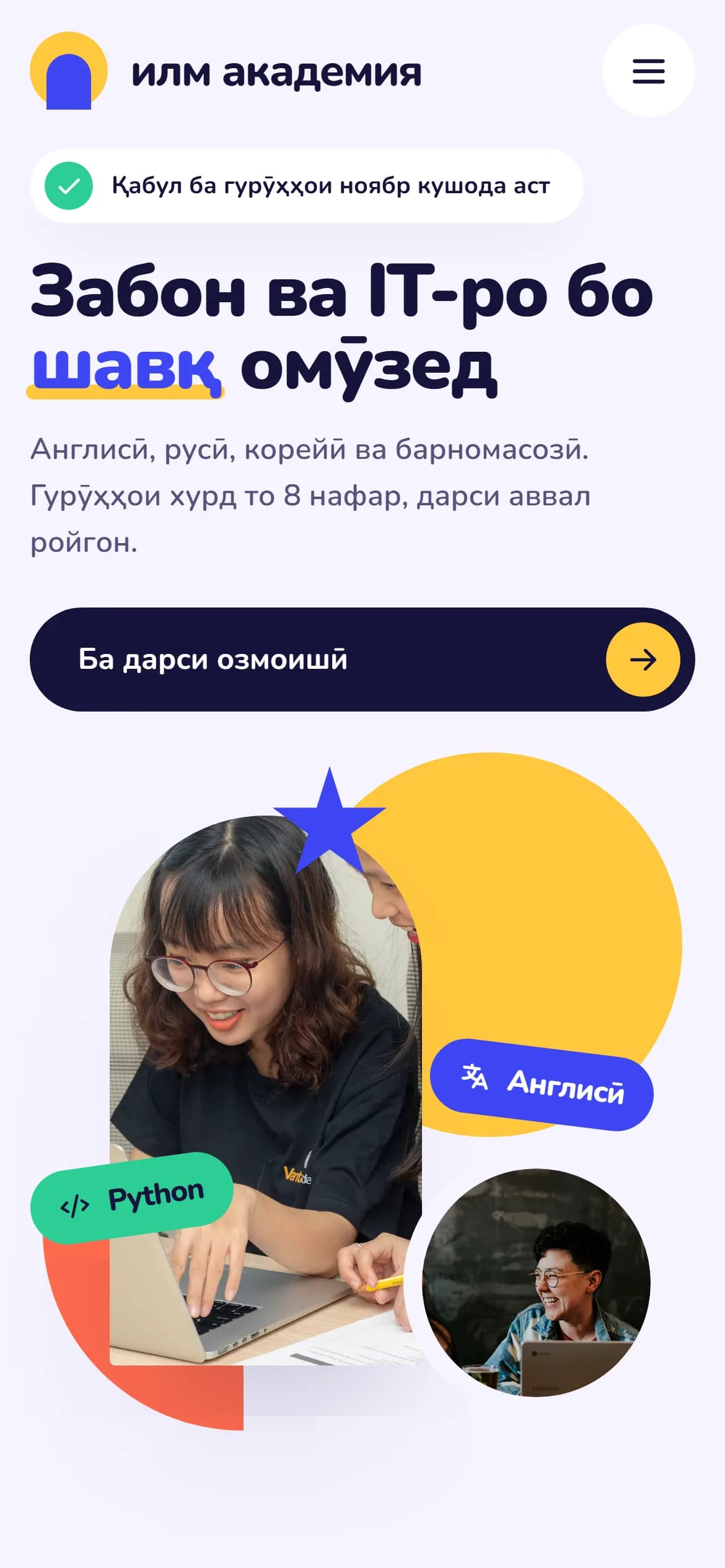
Ilm Academy, education: mobile screen, studio concept

When people come to us

  • You have an idea but not a starting point

    You can picture the service but not the screens or the first release. You need a prototype and a minimal product to test with real users.

  • Your clients need a personal account

    Customers phone to ask about job status, documents or payment history. You want them to look it up themselves.

  • Partners and contractors work through chat and email

    Requests, prices and reports travel by mail and messengers. You need one portal with clear roles and access.

  • An internal process runs on spreadsheets

    Data is copied between files and versions drift apart. Your team needs a simple internal tool that follows your way of working.

  • You need booking or appointments

    Clients book by phone or chat and time slots overlap. You need a schedule with confirmations and reminders.

What is included

  • What we build

    • Web applications and MVPs to test an idea
    • Client accounts with orders, documents and statuses
    • Portals for partners, dealers and contractors
    • Internal tools for your team and record keeping
    • Booking and appointment systems with confirmations
    • Learning platforms with materials and role-based access
  • Design and planning

    • Analysis of user scenarios and roles
    • A clickable prototype before development starts
    • Interface design and a design system for a consistent look
    • Comfort on phones and for people with limited abilities
  • Formats and platforms

    • A web application that opens in a browser with no installation
    • A PWA: an icon on the phone screen and work on a weak connection
    • Telegram Mini Apps inside a bot or channel
    • Sign-in, roles, access rights and an action log
    • Data transfer to a CRM, email and other systems

What it can look like

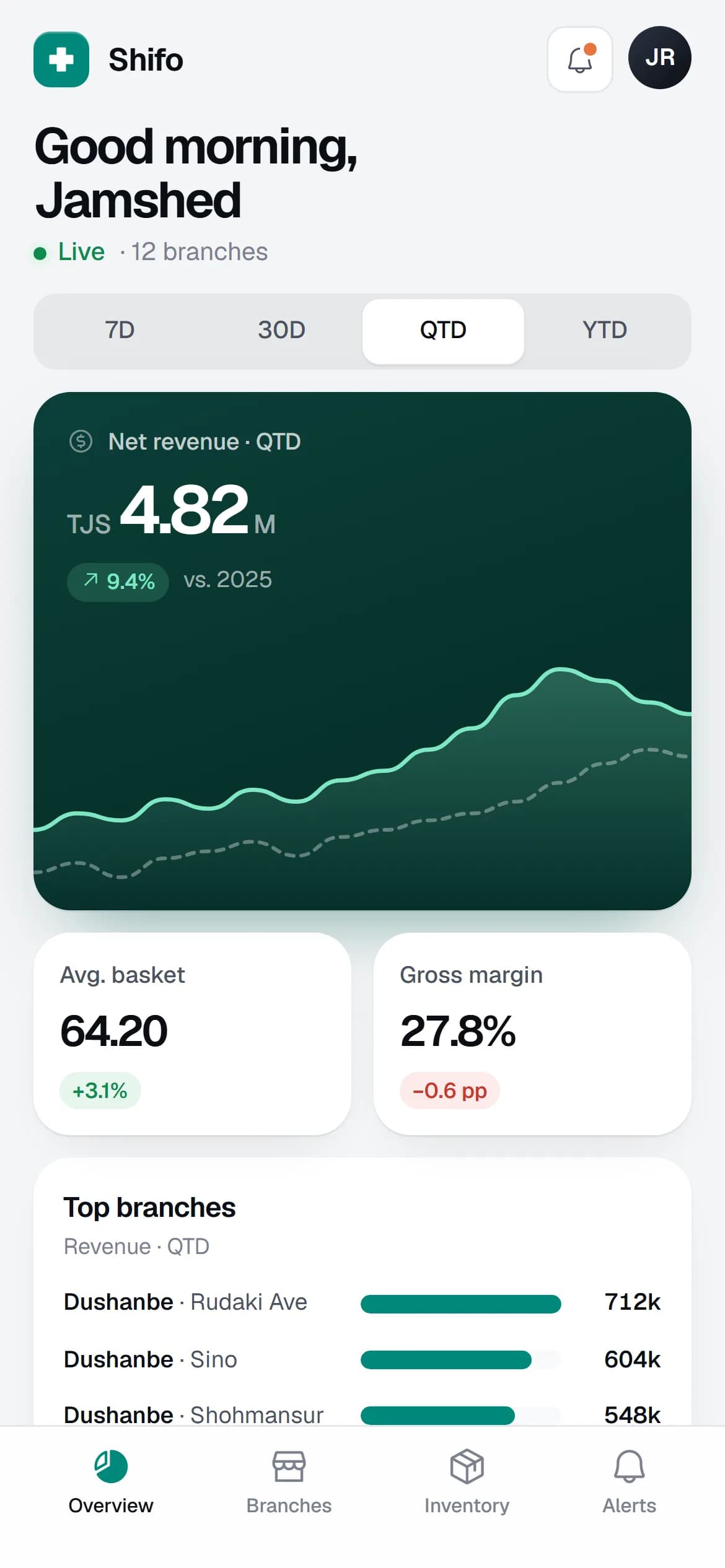
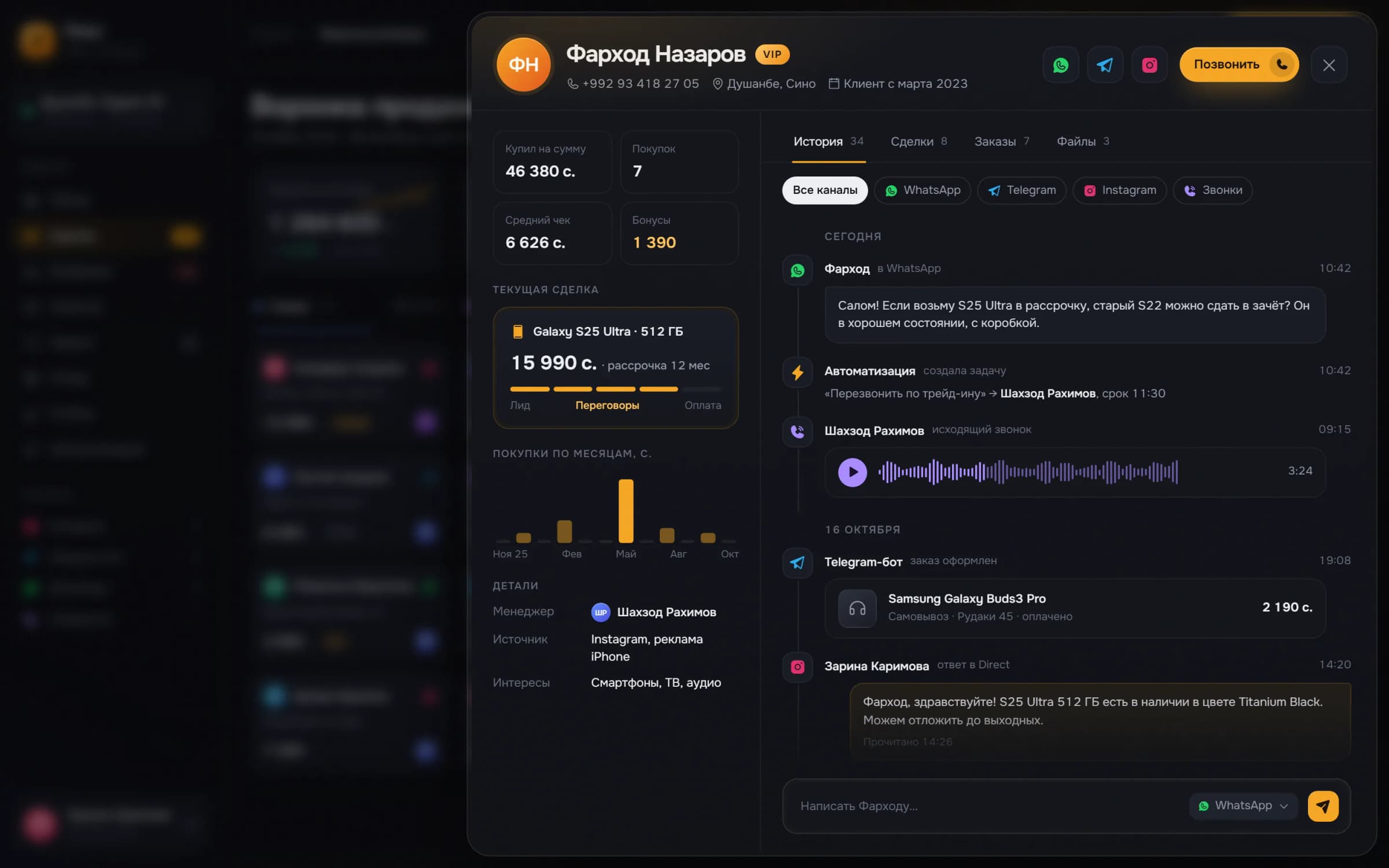
Studio concept projects on this topic: fictional companies, real design and interface work.

How the work goes

Timing

We name the timing after reviewing the task and fix it stage by stage in the contract.

Timing is moved most by the number of roles and screens and by how fast the prototype is agreed. Migrating old data and integrations add separate steps.

  1. We define scenarios and roles

    We establish who uses the product, what they do and what counts as a result. The scope of the first release grows from this.

  2. We build a prototype

    We draw the screens and walk through them with you. Anything unnecessary is cut here, while it costs nothing in code.

  3. We design data and permissions

    We work out what is stored, who sees what, how data reaches other systems and how it is protected.

  4. We develop in stages

    We show working versions, not promises. After each stage you can request changes before the next one.

  5. We test and launch

    We test the scenarios on real devices, migrate data, train your team and bring in the first users.

Cost: what is included and what is not

We give an exact estimate after a conversation, free of charge.

What you get after the first conversation

  • A review of your idea and a proposal of what goes into the first release and what can wait
  • A proposal for stages, starting with a prototype
  • A list of questions and materials we need from you
  • An estimate once scenarios and roles are clear

Included in the price

  • Analysis of user scenarios and roles
  • A clickable prototype agreed before development
  • Interface design for desktop and mobile
  • Development of the agreed screens, sign-in and roles
  • Data transfer to a CRM or email, if the service has an API
  • Testing on real devices and launch of the first version

Not included: separate or on your side

  • Hosting or a server and a domain: you pay the provider directly
  • Paid APIs, SMS and email delivery at the services' own rates
  • Native apps for the App Store and Google Play: estimated separately
  • Migration of large data sets from old systems: estimated separately
  • New features after the first version

What the price depends on

  • Number of roles and distinct scenarios
  • Number of screens and the complexity of the rules inside them
  • Whether sign-in, access rights and an action log are needed
  • Integrations with a CRM, payments, accounting systems and notifications
  • Migration of existing data from spreadsheets or another system
  • Design level: ready-made components or a custom design system
  • Security and data storage requirements

Contract, ownership and after launch

  • Contract and ownership

    Everything created under the contract is registered to you.

    • We hand over the application source code and design files
    • The domain and hosting are opened in the name of you or your company
    • The database and its backups sit in your own account
    • Administrator rights in the application go to your member of staff
    • Keys and accounts of external services are registered to you

    You accept the work stage by stage: the next stage starts once you have signed off the previous one.

  • After launch

    • The deadline and procedure for fixing defects are set out in the contract
    • We review feedback from the first users and suggest what to adjust
    • New features are estimated before development starts
    • Updates and ongoing maintenance are discussed separately
  • What we do not promise

    • That every customer or partner will start using the application
    • Payback or sales growth after launch
    • A native app in the app stores as part of a web build
    • A launch in a short time before the prototype is approved

Questions and answers

Why start with a prototype?

A prototype shows the screens and the user's path before any code is written. Changing a drawing takes hours, while changing a finished program can take weeks. It also helps your team agree on exactly what we are building.

What is an MVP and when do you need one?

An MVP is the smallest version that lets real users start working and tell you what is wrong. It makes sense when you are unsure about demand or the process and do not want to pay for extras.

How is a web application different from an ordinary website?

A website mostly shows information. An application stores user data, calculates, checks permissions and changes state: orders, bookings, documents. That means more logic and more testing.

Can you build an app for phones?

A web application or PWA works well on a phone and needs no store installation. Native iOS and Android apps are discussed after a separate assessment, because they have their own publishing and maintenance rules.

What is a Telegram Mini App?

It is a small web interface that opens inside Telegram itself. It suits booking, a catalogue, an order or a personal account when your customers already talk to you in Telegram.

How is user data stored and protected?

At the start we choose which data the application collects at all and split access by role. We build in a secure connection and backups. Where the server sits is decided before development, if your contracts with customers require it.

How much does a web application cost?

There is no fixed price list: the cost depends on the number of roles, screens and integrations. We estimate after the scenarios and prototype are clear, so you pay for a defined scope.

Do I need an application, or are a website and a spreadsheet enough?

Sometimes a website, a CRM or a spreadsheet with a form is enough. If so, we will say it in the first conversation and propose an application only when roles and custom logic cannot be avoided.

Tell us about your task

Describe the situation in your own words. We will tell you what can be done and where it is best to start.
How can we reach you