Skip to content

Document and email automation with AI in Tajikistan

We automate routine work with documents, emails and internal materials in Tajikistan: extracting data, preparing drafts and summaries. AI can be wrong, so a member of staff always reviews the result.
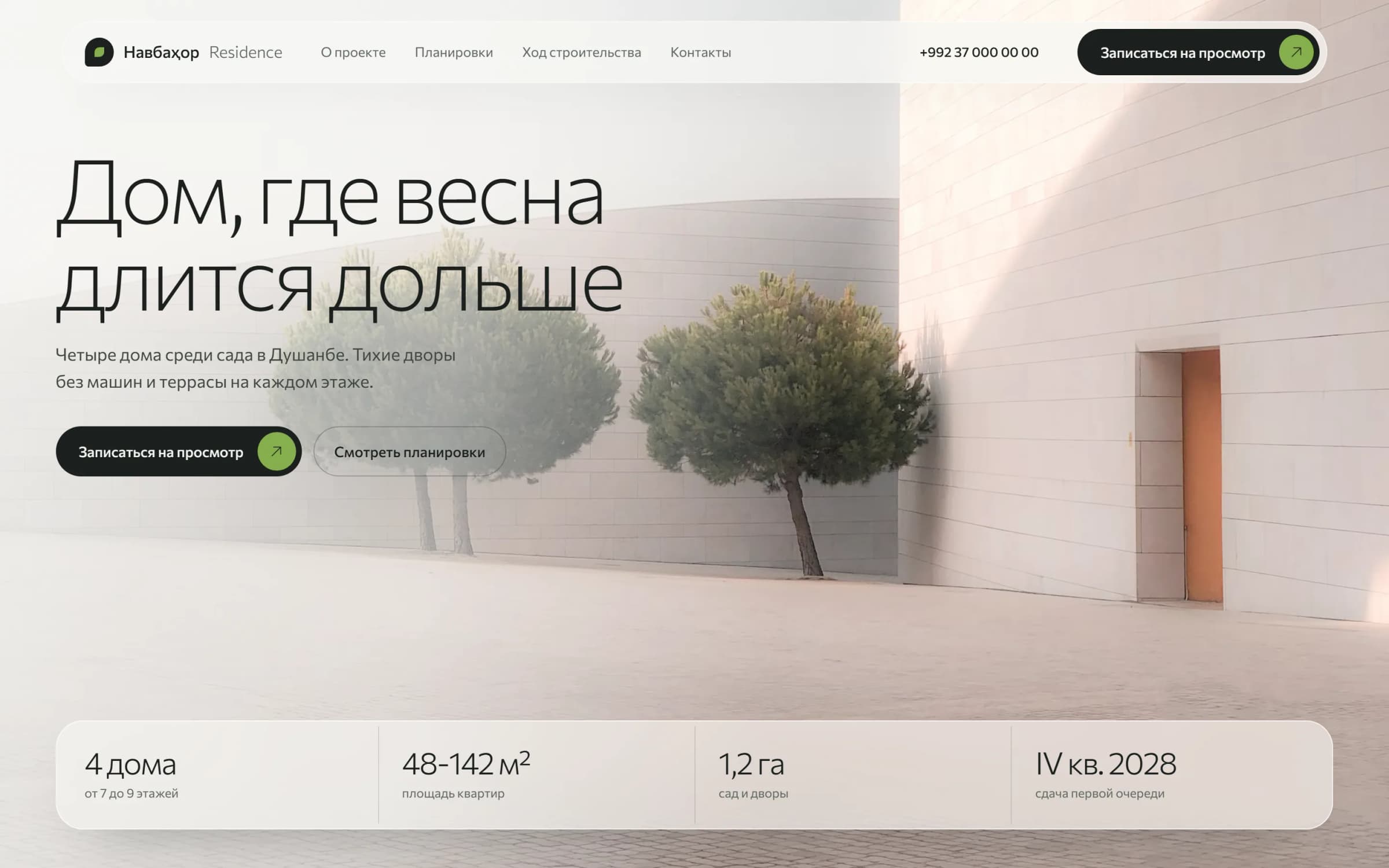
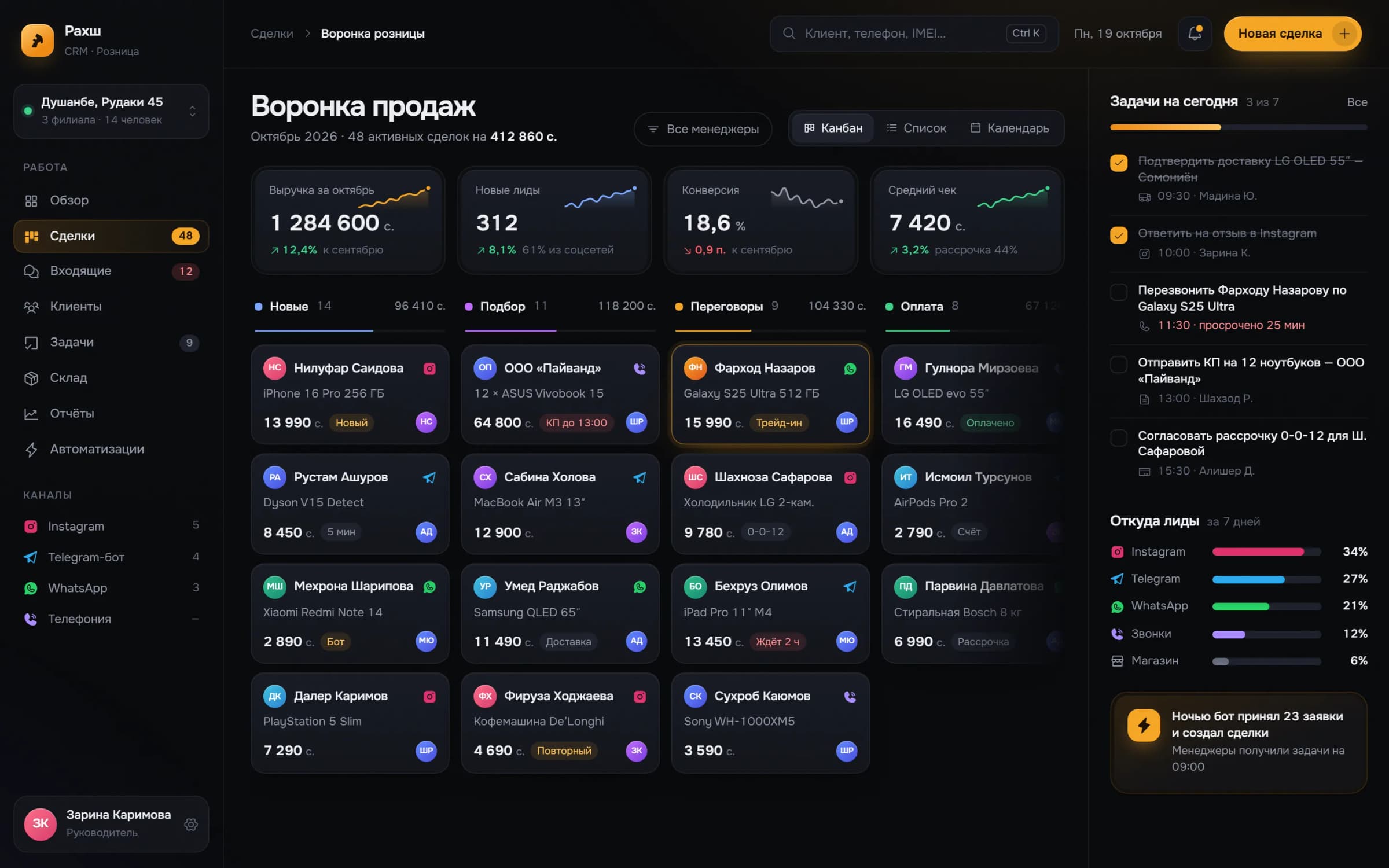
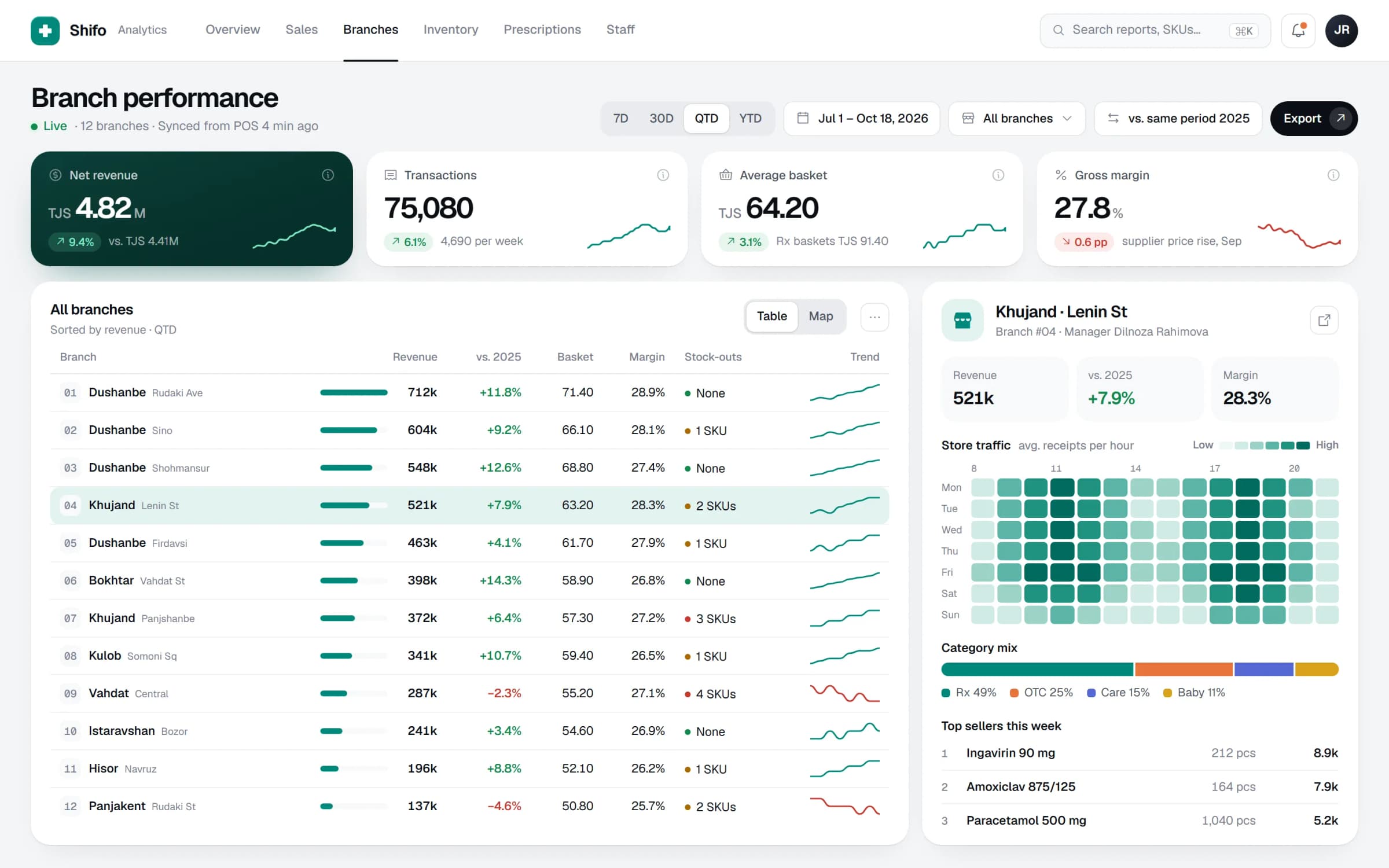
Navbahor Residence, real estate: desktop screen, studio concept
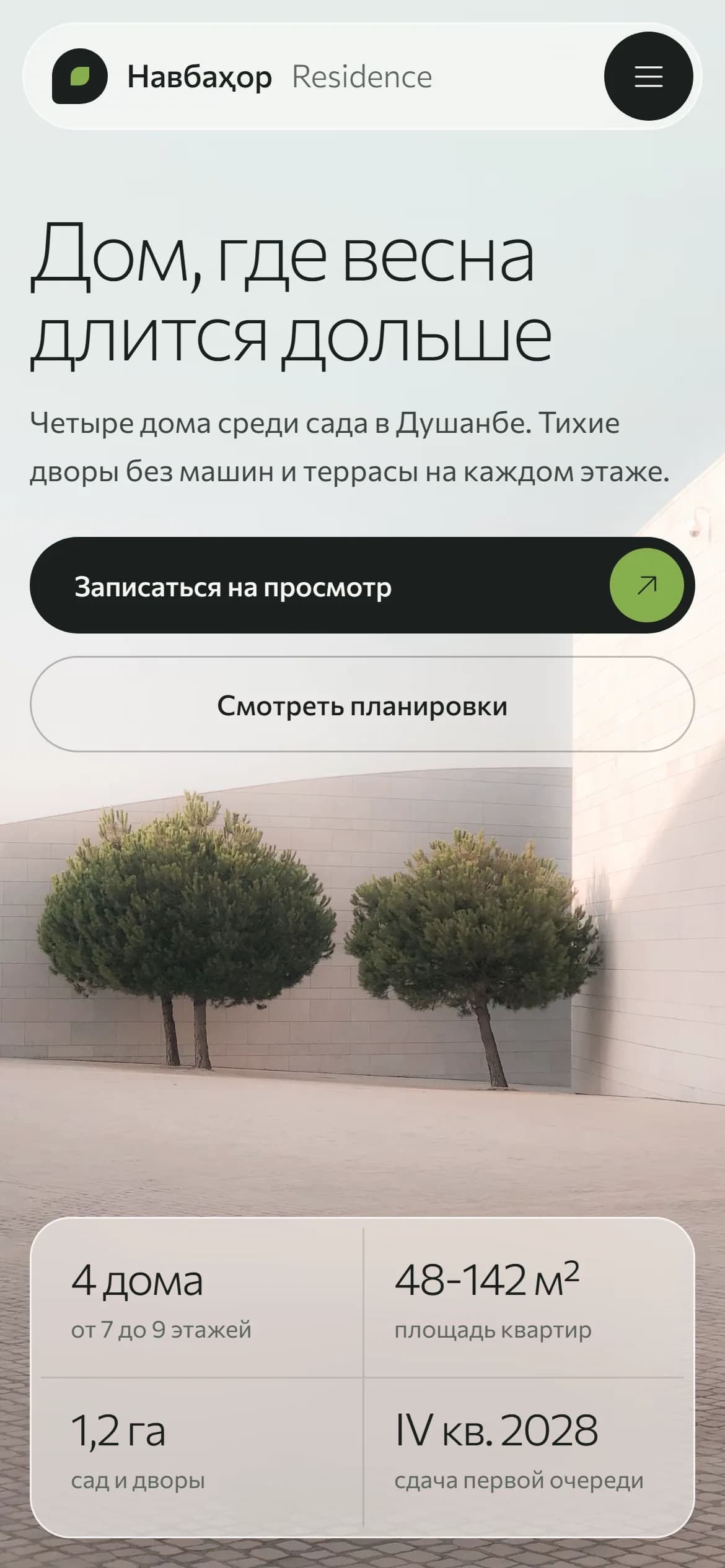
Navbahor Residence, real estate: mobile screen, studio concept

When people come to us

  • Staff retype data from documents

    Invoices, delivery notes, forms and applications are copied into a spreadsheet or a system. It takes time, and typos creep into the numbers.

  • Emails and requests are sorted by hand

    The inbox mixes enquiries, questions and spam. Someone has to read everything and route it to the right person.

  • The information you need is hard to find

    Regulations, contracts, instructions and correspondence sit in different folders. A new colleague has to ask around.

  • Routine documents are written from scratch

    Commercial proposals, customer replies and reports are assembled anew each time, though their structure is the same.

  • You need short summaries of long materials

    A manager wants to grasp a conversation, report or meeting in a few minutes instead of reading all of it.

What is included

  • Documents and data

    • Text recognition from scans and photos of documents (OCR)
    • Field extraction: numbers, dates, amounts, names, company details
    • Checking extracted data against a spreadsheet or accounting system
    • Sorting documents by type and responsible person
    • Passing verified data to a CRM, spreadsheets and accounting systems
  • Emails, requests and search

    • Sorting incoming emails and requests by topic and urgency
    • Search across internal materials that shows the source of each answer
    • Answers to staff questions about regulations and instructions
    • Automatic summaries of long conversations and reports
  • Drafts and assistants

    • Drafts of letters, commercial proposals and standard documents
    • Assistants for staff with a limited set of permitted actions
    • Review rules: what a person confirms and what runs automatically
    • Process analysis to see where automation helps and where it does not

What it can look like

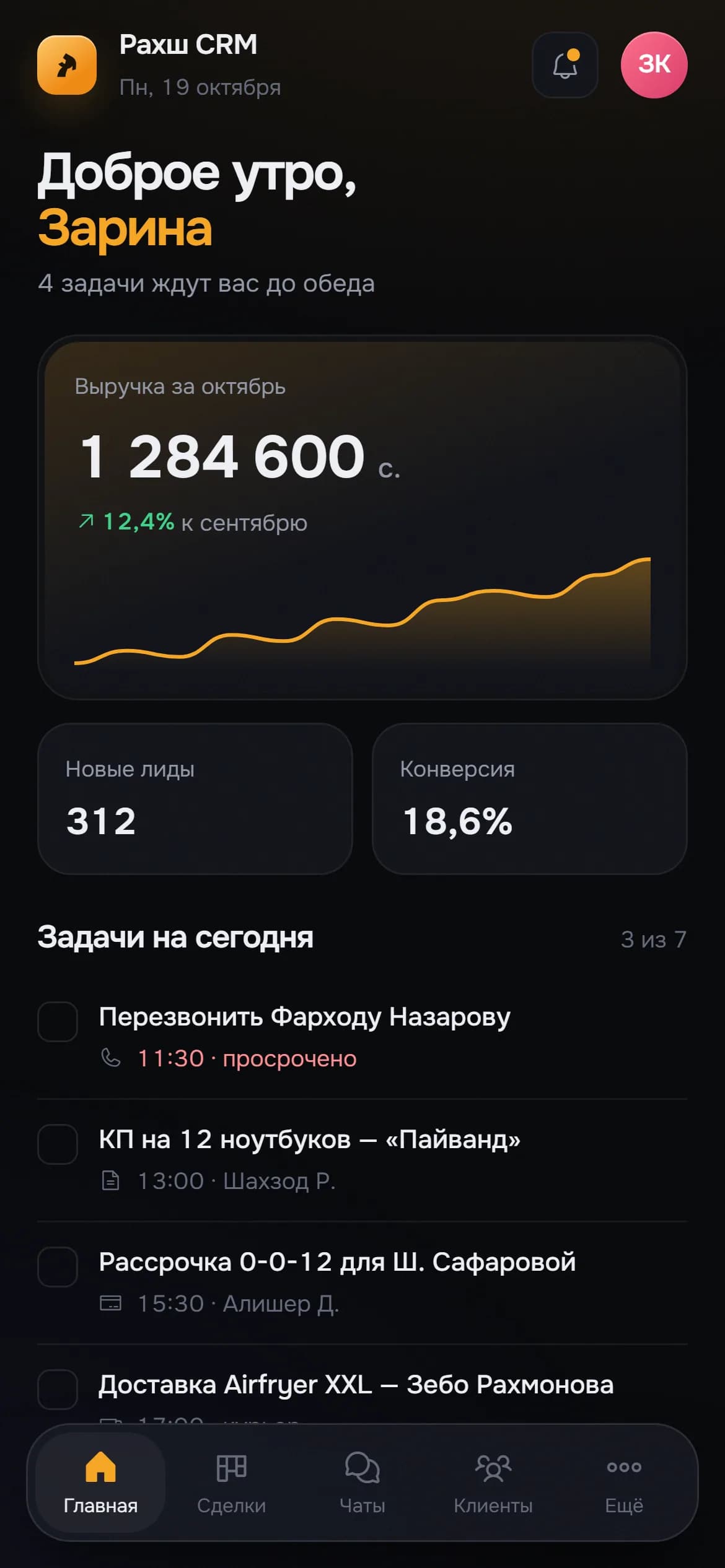
Studio concept projects on this topic: fictional companies, real design and interface work.

How the work goes

Timing

We name the timing after reviewing the task and fix it stage by stage in the contract.

Timing depends on document quality, the number of document types and how many samples you provide for testing. Starting with one document type is easier than starting with ten different formats.

  1. We analyse the process and documents

    We look at how a document arrives, who works with it and where mistakes happen. Some tasks are easier to solve without automation, and we will say so.

  2. We take samples and measure accuracy

    We run your real documents through and count how often the result is right. That tells us how far it can be trusted.

  3. We set the limits of automation and review

    We decide what the system does alone and what it shows a person to confirm. The higher the cost of a mistake, the more review.

  4. We build the route and connect systems

    A document goes in for processing, the result is checked and sent to the CRM or a spreadsheet. Every step is written to a log.

  5. We launch and watch quality

    At first we compare results with manual work and refine the rules. We agree separately which staff members see the documents and results.

Cost: what is included and what is not

We give an exact estimate after a conversation, free of charge.

What you get after the first conversation

  • A review of the process and a list of tasks where automation helps and those where it does not
  • A proposal with a clear result you can check on your own samples
  • A description of what the system does alone and what staff confirm
  • A list of sample documents we need for the estimate
  • An estimate once accuracy is tested on your materials

Included in the price

  • A process review and the choice of one or two documents to start
  • Testing on your own samples before launch
  • Setting up recognition and extraction of the fields you need
  • Review rules: what a staff member confirms
  • Passing verified data to a spreadsheet or CRM
  • A processing log and a guide for staff

Not included: separate or on your side

  • AI and recognition services at the provider's own rates
  • Scanning paper archives and preparing samples
  • A server, if data cannot go to external services
  • CRM and accounting system plans
  • Preparing the document base for search, if it is not collected

What the price depends on

  • Type and variety of documents, and their quality: clean scans or photos
  • Document languages: Russian, Tajik, English
  • Required accuracy and the cost of a mistake
  • Volume and frequency of processing
  • Whether search across internal materials is needed, and how much
  • Connection to a CRM, spreadsheets, email and accounting systems
  • Requirements for data storage and where processing takes place

Contract, ownership and after launch

  • Contract and ownership

    Everything created under the contract is registered to you.

    • We hand over the processing rules, templates and settings in written form
    • Accounts and access keys of AI services are registered to you
    • We hand over the source code of integrations and scripts
    • Your documents and the extracted data stay your property

    You accept the work stage by stage: the next stage starts once you have signed off the previous one.

  • After launch

    • How and how quickly we fix faults is written into the contract
    • We review cases where the system was wrong and refine the rules
    • New document types are estimated separately before work starts
  • What we do not promise

    • That the system makes no mistakes: it does, which is why a person reviews
    • Flawless reading of handwriting and poor photos
    • Replacing staff: the system helps, a person decides
    • Work with Tajik text before it is tested on your samples

Questions and answers

How accurately does the system read documents?

It depends on document quality and type. We measure accuracy on your samples before launch and show you the real result. Data with low confidence is sent to a member of staff for review.

Can the system be trusted with important decisions?

No, and we do not propose that. The system prepares data and drafts, while the decision and approval stay with a person. Only items where a mistake is cheap can pass automatically.

What happens to confidential documents?

Before work starts we decide which documents can be processed automatically at all. Some services send data to external servers, and we say so up front. If documents must not leave your premises, we propose a version on your own server or leave that process manual.

Can AI make mistakes?

Yes. A system can be wrong and still look confident. That is why a staff member confirms amounts, dates and company details, and the system highlights doubtful fields.

Is this automation of the whole business?

No. We automate separate areas: documents, emails and search across materials. Links to a CRM and accounting are set up where the service has an API.

Does it work with documents in Tajik?

It depends on the document type and text quality. Russian and English are supported more widely, while Tajik in Cyrillic needs a separate check on your samples, so we show the result before estimating.

How is this different from an ordinary chatbot?

A chatbot talks to customers. Here the system works inside a process: it reads a document, checks data, prepares a draft and passes the result to the right system. For customer conversations we have a separate bots service.

Where is the best place to start?

With one repeated document or email type where the result is easy to check. A small pilot on your samples shows fastest whether it is worth extending the automation.

Tell us about your task

Describe the situation in your own words. We will tell you what can be done and where it is best to start.
How can we reach you