Before you order a website: a preparation checklist
What to decide and gather before building a website: goals, structure, copy, brand, languages, integrations, domain and access, plus a final checklist.
Published: Updated: 8 min read
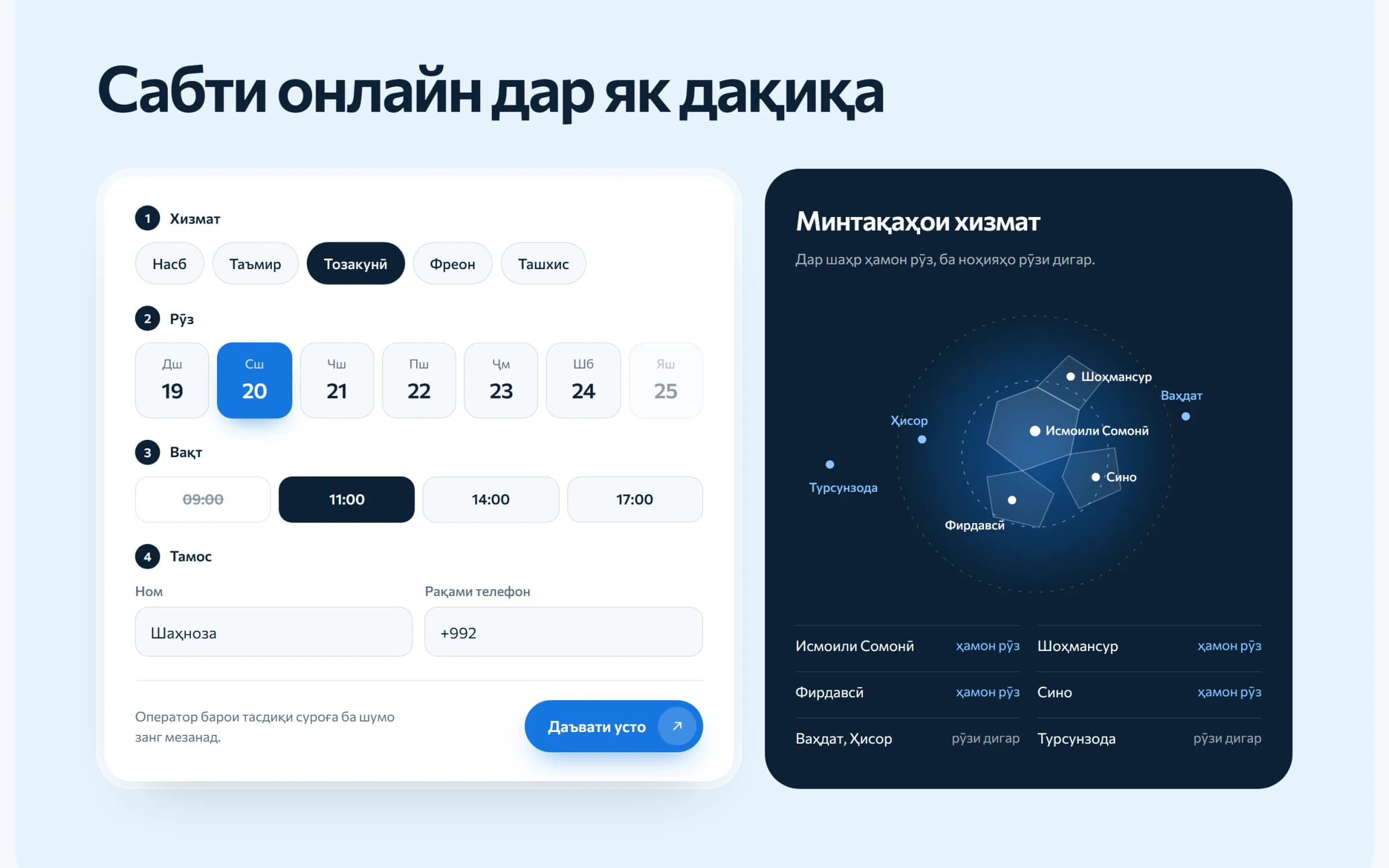
A website is faster and cheaper to build when it is clear from the start what it is for and what it contains. You do not need perfect preparation. It is enough to answer a few questions and collect what you already have. If something is missing, that is not a blocker: we can help, but it is better to know in advance.
Below is the order we follow in a first conversation about a project.
1. Goals and audience
Start with why the site exists. One or two goals beat ten.
- What do you want from the site: enquiries, calls, orders, bookings, quote requests, registrations, or simply reliable information about the company?
- Who is your visitor: a private customer, a company representative, a partner, a job seeker? Each needs a different path.
- What questions and doubts do they arrive with? What stops them from buying or calling?
- Where do they come from: search, messengers, a business card, a recommendation, advertising?
Write the answers in your own words. We need your phrasing, not polished wording.
2. What the visitor should do
Every page has one main action: send an enquiry, call, go to the catalog, download a document. If there are five equal actions, the visitor takes none of them.
Decide on:
- the site's main action (it becomes the most visible button);
- secondary actions (for example, reading about the company);
- where the result goes: email, a messenger, a CRM, a spreadsheet, and who replies.
3. Structure and sections
List the pages you think you need. Do not worry about order, it gets refined later.
A typical set for a company: home, services or catalog, about, contacts, prices or terms, case examples, FAQ, documents. An online shop adds a product page, cart, delivery and payment. Extra sections are optional, and an empty page does more harm than none.
It also helps to:
- list the services or products that must be on the site and rank them by importance;
- mark the pages needed for legal reasons: privacy policy, terms of offer, company details;
- say what should definitely not be shown.
4. Copy and photos: who prepares them
This is the most common source of delays. Decide in advance who does what.
- Copy. Will you write it, will we write from your materials, or will we edit your draft? Any option works, but name the person responsible.
- Photos. Is a photo shoot needed? Do you have your own photos of the team, office, products, finished work? Pictures from the internet cannot be used without rights.
- Prices and facts. Price lists, addresses, opening hours, phone numbers and company details must come from you. We do not invent such data.
- Reviews and case examples. Only real ones, with permission from the people and companies to publish them.
If materials are thin, we can first assemble the structure and block headings and add the text step by step. An honest short page is better than a long one that is made up.
5. Brand
What you already have:
- a logo, ideally as a vector file, or at least in good quality;
- brand colors and fonts;
- a brand guide or examples of how you appear in print and social media;
- your tone of voice: formal or friendly, strict or warm.
No brand yet is fine. The site can be built on a simple system: a color, a typeface, a wordmark. It can later be developed in a separate branding project.
6. Languages
Decide which languages the site needs: Russian, Tajik, English, or others.
- Which language is the main one, and which should open first?
- Who prepares the translations and who reviews them? We recommend that a native speaker reads the texts.
- Are all pages needed in all languages, or are some in only one?
- Do different languages need different prices, contacts or terms?
We cover structure and SEO for several languages in a separate article in this section.
7. Sites you like
Send three to five links and say briefly what you liked: speed, clear structure, photography, colors, the enquiry form. They need not be from your industry.
It is just as useful to show what you dislike and explain why. One "not like this" example often saves more time than five "like this" ones.
8. Integrations
Think about what the site has to talk to:
- A CRM or spreadsheet that receives enquiries;
- messengers and email for notifying staff and customers;
- online payment, if needed. Payment systems require a separate agreement between you and the operator, so find that out early;
- analytics: which goals you want to measure;
- an accounting or inventory system, if the catalog needs current stock;
- maps, bookings, calendar, chat.
Simple integrations usually belong to the website itself. Complex ones (telephony, banks, corporate systems) need a separate estimate.
9. Who will update the site
Answer in advance:
- Should your staff change text, prices and photos themselves, or add news and products?
- How many people will do it, and how experienced are they?
- Would you rather send edits to us?
The answers decide whether you need an admin panel, how simple it must be, and what kind of ongoing support suits you.
10. Domain, hosting, access
Check:
- whether you have a domain name and who owns it (ideally it is registered to your company or to you personally, not to a contractor);
- where the current site is hosted, if there is one;
- who has access to the domain registrar, hosting, email, analytics and ad accounts;
- which email is used on the domain.
Access is handed over safely. Do not send passwords in open chats; we will suggest a secure way or create a separate account with limited rights.
11. A responsible person on your side
Appoint one person who owns the project: collects materials, approves options, says yes or no. When five people are expected to decide in turn, the project slows down. If the decision belongs to a director, let them define what exactly needs their approval and what stays with the project owner.
Agree in advance how you will communicate: where you discuss, how fast you reply, how edits are recorded.
12. What to do if something is missing
Almost everyone lacks something. That is normal.
- No copy. We start with structure and draft headings, and you fill in as things become ready. Or we run an interview together and shape it in your words.
- No photos. We use clean diagrams, icons and simple compositions and add photos later. Stock images are possible, but do not present strangers as your team.
- No brand. We build a minimal visual system and suggest developing it separately.
- No clear goals. We hold a short discussion and formulate one or two together.
- No domain. We advise on choosing a name and registering it in your name.
- Not sure what you need. Tell us about the business and what does not work now. Part of the answers will emerge in conversation.
Checklist before you get in touch
- One or two goals for the site are written down
- Main visitor groups are described
- The visitor's main action is defined
- A list of pages and sections exists
- It is decided who prepares copy and photos
- Prices, contacts, company details and hours are collected
- You have a logo and, if available, brand rules
- Languages are chosen and someone owns the translations
- Three to five example sites are chosen with notes on what you liked
- Needed integrations are listed (CRM, messengers, payment, analytics)
- It is decided who updates the site after launch
- You know who owns the domain and hosting, and who has access
- A responsible person on your side is appointed
How we can help
We build websites for businesses in Tajikistan and help put together the brief if you are unsure where to begin. Tell us about the task and we will go through this list with you, note what is missing, and propose a clear order of work.
<!-- related-links -->